How New Technologies Can Affect Mental Health
Think about a time when you were thankful for a friend who was there for you, someone who made you feel better no matter what was happening. Maybe it was the friend who helped after a flat tire or even a stranger who opened the door on a tough day. These moments of connection are important for emotional growth.
Technology and Youth
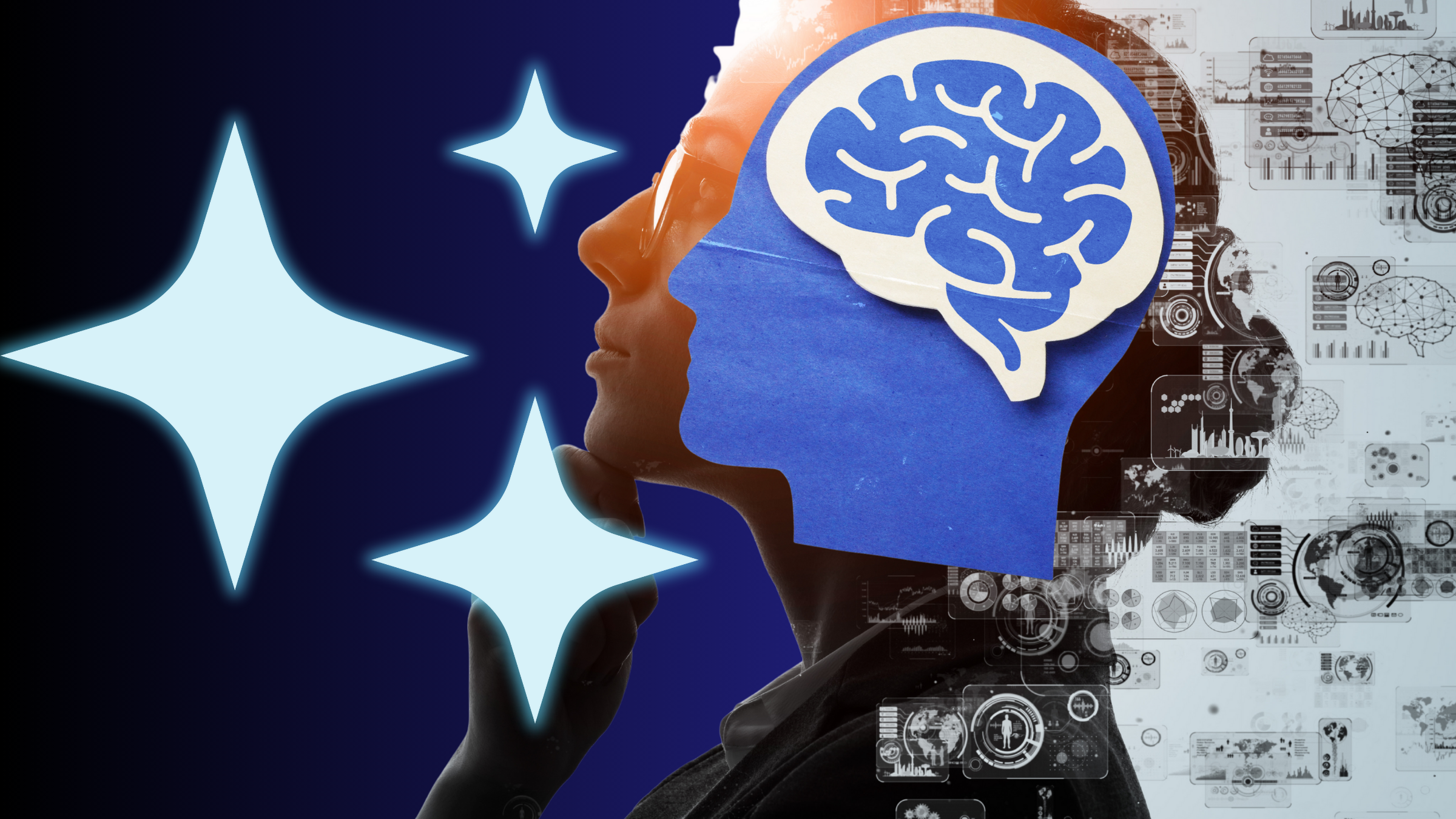
As younger generations navigate life, it’s essential to understand what influences healthy emotional development. Technology is now a big part of daily life, and communities often rely on new tools and programs. One of the most noticeable is artificial intelligence (AI). AI can help with tasks like brainstorming, creating recipes, or organizing work. But what happens when young people use it for emotional support and share private thoughts?
AI adds a new layer to digital tools and friendships. A 2024 Common Sense Media survey found that 70% of teens have used generative AI. Popular tools like ChatGPT, Character.AI, and Snapchat’s My AI can mimic real conversations, and there is evidence that some of these bots are being used by socially isolated youth seeking companionship. (American Psychology Association, 2025).
Another factor to consider is phone use in schools. Research shows that students do better emotionally when phones are removed during the school day. Without constant access to devices, they learn to regulate emotions in real-world situations instead of turning to digital distractions. This helps reduce emotional avoidance and even lowers risks related to substance use, as students build coping skills and resilience through face-to-face interactions.
Using AI as an Emotional Crutch
Many young people share their deepest feelings with AI because they feel uncomfortable talking to friends, family, or professionals. What does this mean for emotional intelligence? The concern is the loss of human connection. When we feel sad, we usually turn to friends, family, or professionals—or process emotions ourselves. With AI, emotions are shared without real human interaction, and responses often lack constructive advice. These programs tend to validate feelings without offering guidance.
This can be harmful for everyone, especially youth, because learning what emotions mean and how they affect others is key to growth. Without human interaction, emotional development can stall. Even though we seem connected through messaging and social media, AI’s role in emotional spaces challenges true emotional intelligence.
How can you protect yourself and others?
- AI cannot replace human interaction or teach emotional intelligence on its own.
- Recognize AI as a tool, not a necessity.
- Remember AI does not fully understand your experiences.
- AI is not licensed to provide mental health advice or treatment.
Resource Categories
- Addiction & Substance Use
- Anxiety
- Child Mental Health
- Crisis and Trauma
- Depression
- Exercise
- Just The Facts
- LGBTQIA+ & Pride
- Medicaid
- Men’s Mental Health
- Parenting
- Recovery
- Senior and Older Adult
- Socializing
- Stigma
- Stress
- Suicide Prevention
- Support & Advocacy
- Teen’s Mental Health
- Treatment Options
- Women’s Mental Health